Quick Summary
- Core Concept: The 4-Phase Local Business Automation Framework provides a strategic roadmap for adopting AI-driven messaging securely while elevating customer experience.
- Key Stat: Local businesses implementing advanced API automation systems experience up to a 60% reduction in missed appointments and costly no-shows.
- Recommendation: Deploy a unified ecosystem combining LamaniHub scheduling and LamaniChat to handle repetitive queries securely and boost business productivity.
A WhatsApp automation checklist local businesses rely on is a systematic guide to configuring customer messaging systems securely. To implement it correctly, you should set up PDPA-compliant workflows for appointment reminders, automated FAQs, and post-service follow-ups using a reliable WhatsApp Business API integration specifically designed for local service providers in Auckland.
Without a structured approach to customer communication, front-desk staff often find themselves overwhelmed by repetitive inquiries regarding business hours, locations, and appointment availability. This manual bottleneck delays responses, frustrates customers, and ultimately increases costly no-show rates.
Modern customer expectations demand 24/7 responsiveness, as highlighted by WHO initiatives on digital service accessibility. This means Auckland local businesses must modernize their inquiry handling and booking processes. However, transitioning to automated messaging requires strict adherence to local consumer protection regulations to ensure customer data remains confidential and service claims stay accurate.
To resolve these communication breakdowns securely, we developed The 4-Phase Local Business Automation Framework. This comprehensive guide outlines the exact infrastructure, compliance checks, and integration steps required to deploy a seamless, automated customer engagement system that drastically reduces front-desk burnout.
1. The Cost of Manual Messaging: Why Automation is Essential
Manual customer messaging leads to delayed responses and high no-show rates, costing businesses thousands annually. By adopting automated systems, Auckland local businesses can recover over one hundred operational hours each week, allowing staff to focus entirely on direct, high-quality customer service.
Relying on staff to type out individual responses to every customer query is an unsustainable model for growing service businesses. The administrative burden quickly leads to operational bottlenecks and decreased quality of service. When businesses evaluate their operations through a comprehensive business growth audit, the financial drain of inefficient messaging becomes immediately apparent.
“When front-desk staff spend hours manually replying to standard inquiries, both morale and customer satisfaction drop significantly. Automation reclaims that lost time.” — Local Business Consultant, Lamanify
Staff Burnout vs. Customer Expectations
Today’s customers expect instant answers to their questions, day or night. A heavy manual messaging load directly correlates with increased staff turnover, as front-line employees struggle to balance in-store duties with a flooded digital inbox. By automating routine answers, you protect your staff from chronic burnout while exceeding customer expectations.
The True Cost of a Delayed Response
Delayed customer responses carry a measurable financial cost. When individuals seeking immediate information about your services wait too long for a reply, they often contact competitors. Implementing structured auto-replies resolves basic informational queries instantly, safeguarding your business’s revenue and reputation.
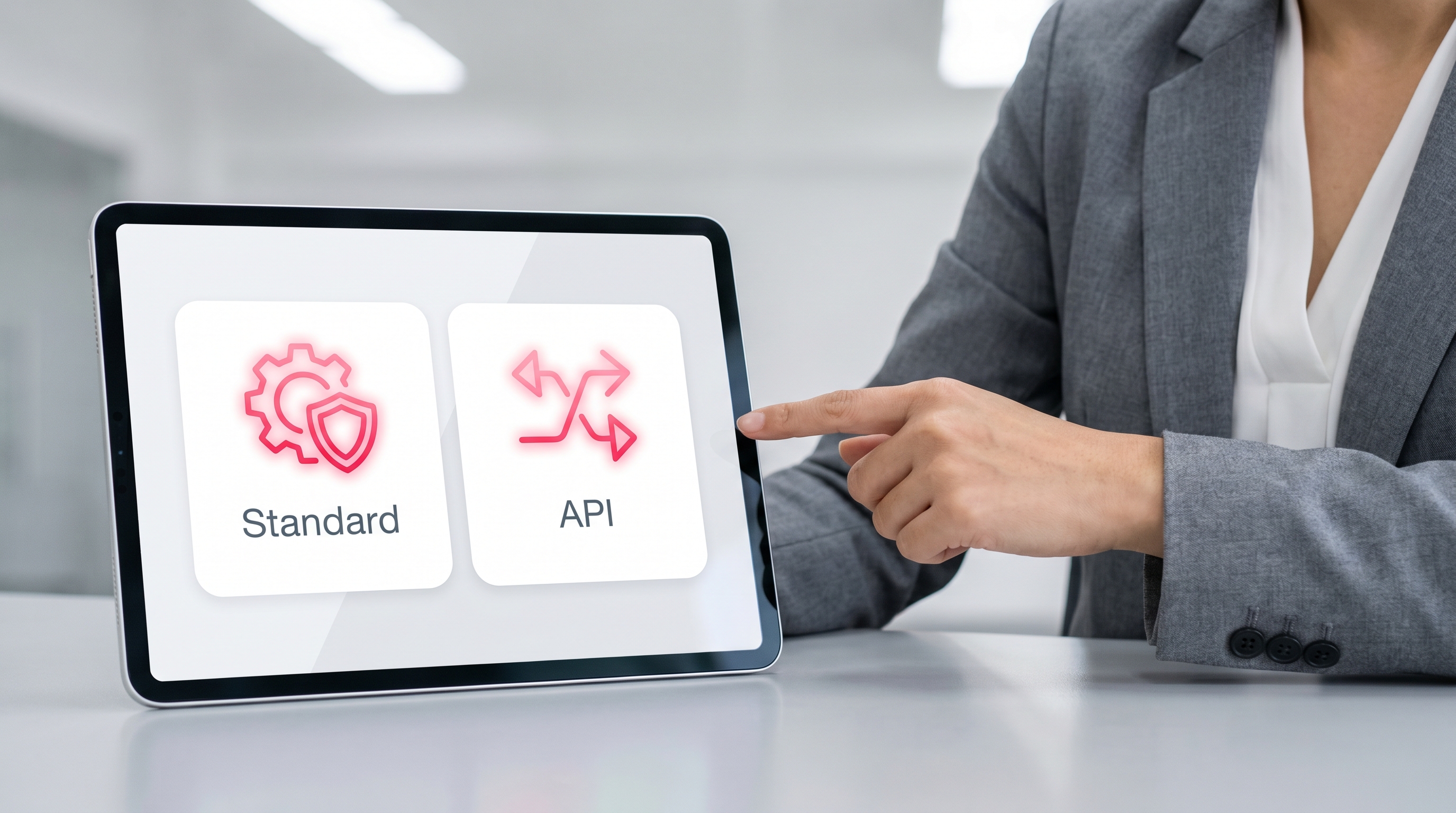
Moving to the WhatsApp Business API provides the security and scalability essential for modern service businesses.
2. Infrastructure & Compliance: The Setup Foundation for a WhatsApp Automation Checklist
When setting up automated systems in Auckland, securing customer data is paramount. Local businesses must use certified API providers to strictly adhere to the Personal Data Protection Act of 2010 while ensuring all service claims satisfy rigorous local advertising and consumer protection standards.
Before launching any communication system, you must establish a highly secure digital infrastructure. Deploying the correct software ensures you do not inadvertently compromise sensitive customer information. Moving from a standard phone app to a business-grade WhatsApp Business API is non-negotiable for achieving a PDPA-compliant customer messaging environment.
| Feature | Standard WhatsApp Business App | WhatsApp Business API |
|---|---|---|
| PDPA Compliance | Basic encryption, localized on one device | High security, centralized cloud data control |
| Automation Scope | Simple away messages and quick replies | Complex branching workflows and CRM syncing |
| Multi-User Access | Limited (up to 4 devices) | Unlimited staff access via central dashboard |
Choosing the Right WhatsApp Platform
The standard WhatsApp app is insufficient for scaling service businesses. To implement advanced routing and automated customer engagement securely, a certified API integration is required. This foundation protects customer privacy and establishes a professional digital presence.
Navigating Local Data Protection Laws
All automated messaging sequences must be reviewed against national guidelines to maintain compliance. Businesses should regularly consult local consumer protection policies to ensure data handling practices are secure. Adhering to local advertising guidelines guarantees that your communications remain ethical and legally sound.
3. Core Workflows: Building the Automated Customer Journey
The most critical automated workflows for local service providers include instant operating hour replies, appointment confirmations, and structured reminder sequences. Implementing these core messaging pathways systematically reduces missed appointments by up to sixty percent while drastically improving overall customer satisfaction scores.
Establishing the right conversational sequences is the heart of effective front-desk digitization. The goal is to intelligently intercept routine inquiries while accelerating the booking process. Deploying an optimized WhatsApp automation framework creates a frictionless experience from the very first text.
Tackling FAQs with Instant Replies
Customers frequently ask the same questions about operating hours, parking, and specific services. By programming instant auto-replies, your system can intercept and resolve these queries in seconds. This ensures that every customer receives immediate guidance without interrupting your receptionist.
Designing Effective Appointment Reminders
Creating staggered automated appointment confirmations is one of the most effective ways to reduce no-shows. By sending a primary confirmation upon booking, followed by well-timed appointment reminder templates a day before the visit, customers are far less likely to cancel at the last minute.

Integrating messaging with your appointment system ensures real-time updates and eliminates double-bookings.
4. Integration Mastery: Syncing with LamaniHub and n8n
A truly robust business ecosystem requires seamless connectivity between your communication channels and scheduling software. Utilizing integration platforms like n8n to sync customer conversations directly into LamaniHub ensures accurate data management, automatic record updates, and a frictionless booking experience.
A standalone messaging app cannot transform your business if it remains disconnected from your calendar. Real operational power emerges when platforms actively communicate with each other. Proper n8n automation routes information from the chat interface straight into your secure scheduling database.
Why Seamless Software Integration Matters
When verified WhatsApp numbers automatically sync with the LamaniHub appointment system, double-bookings become a thing of the past. A connected infrastructure ensures that customer records are updated in real-time, eliminating manual data entry errors.
Leveraging n8n for Custom Business Workflows
Middleware tools like n8n are essential for connecting disparate digital tools. They allow business owners to automatically update CRM tags based on customer chat behavior and trigger specialized follow-up protocols. This technical orchestration forms the backbone of a high-performing digital business.
5. Crafting Compliant WhatsApp Templates
Designing effective messaging templates requires balancing professionalism with personalized service. Every automated reminder must be meticulously crafted to remain strictly informational, completely avoiding any unsubstantiated service claims that could violate local consumer protection and advertising guidelines.
Automated text messages must reflect the empathetic tone of an experienced service provider. Poorly worded templates can alienate customers or trigger regulatory warnings. As part of a comprehensive business marketing strategy, all digital text must be carefully reviewed.
“When advertising compliance fails on launch, the cost is 6-12 months of advertising downtime. Your messaging templates must prioritize factual accuracy over aggressive marketing.” — Local Business Marketing Compliance Lead, Lamanify
Balancing Empathy and Professionalism
Drafting clear, concise templates devoid of complex jargon is vital for customer comprehension. You must ensure that your automated responses sound supportive without crossing into making service guarantees. Integrating proper phrasing boosts trust and elevates your broader local business SEO services efforts by aligning your brand voice.
Regulatory Pitfalls in Promotional Templates
Regulatory bodies actively monitor promotional communications to protect consumers. Avoid making guarantees or promotional claims within automated sequences. For instance, any mention of advanced services may help improve outcomes but cannot guarantee results. Always verify standards against local advertising guidelines before deploying new messaging sequences.
6. Workflow Handoffs: Empowering Your Front-Desk Team
Automation should enhance human interaction, never entirely replace it. By programming an intelligent AI receptionist like LamaniChat to handle routine inquiries, businesses can trigger seamless handoffs to live front-desk personnel the moment a customer expresses complex concerns or urgencies.
Even the most advanced digital ecosystems have limitations. Knowing precisely when to transition a conversation from automated logic to human intuition is crucial for customer satisfaction. Utilizing reliable customer acquisition software ensures that new inquiries are warmly received before an intelligent WhatsApp bot routes them to the correct department.
Identifying Urgency in Chat
Establishing trigger keywords is critical to identify urgency within text conversations. If a customer mentions emergencies or urgent needs, the system must bypass standard automation and alert live staff immediately. This protocol is supported by best practices detailed in NCBI literature regarding safe digital inquiry routing.
Training Staff on the Automated Dashboard
Employees must be trained to monitor and intervene through a unified messaging dashboard. When a handoff occurs from the LamaniChat AI receptionist, staff should be able to view the entire conversational history instantly. Regular audits of these conversation logs help refine the automated rules over time.
Actionable Setup Task List
- Register for an official WhatsApp Business API account to enable advanced integration.
- Draft all automated responses to ensure strict compliance with PDPA privacy guidelines.
- Configure instant auto-replies for operating hours, business locations, and common FAQs.
- Set up n8n workflows to sync customer appointment data directly with LamaniHub.
- Establish clear handoff protocols transferring complex queries from LamaniChat to human staff.
Conclusion
Implementing a structured messaging system is the fastest way to alleviate front-desk pressure and improve customer retention. By following this comprehensive setup guide, Auckland local businesses can modernize their communications securely and compliantly.
Deploying a rigorous WhatsApp automation checklist framework protects your business from costly scheduling errors while elevating the overall customer experience. As the local service landscape continues to evolve, businesses that adopt intelligent digital ecosystems will consistently outperform those relying on outdated manual workflows.
Ready to free up your front desk and automate customer messaging securely? Explore Lamanify’s WhatsApp Automation services.
Frequently Asked Questions
What is a WhatsApp automation checklist for local businesses?
It is a systematic guide designed to help local service providers deploy automated messaging systems securely. This covers infrastructure setup, compliance checks, and integration workflows.
Does automated customer messaging comply with PDPA in Auckland?
Yes, provided the business uses an official WhatsApp Business API integration and configures data handling protocols that meet the stringent requirements of the Personal Data Protection Act.
Are WhatsApp promotional messages subject to local advertising regulations?
Absolutely. Any automated message that promotes your services or makes outcome claims must be strictly accurate, substantiated, and comply with local consumer protection and advertising guidelines.
How does WhatsApp automation reduce customer no-show rates?
By delivering prompt, multi-stage automated appointment reminders and offering easy options to reschedule instantly, keeping customer engagement high without manual staff intervention.
Can I integrate WhatsApp automation with LamaniHub?
Yes, integration platforms like n8n can seamlessly connect your WhatsApp workflows to the LamaniHub appointment system for real-time schedule syncing and automatic customer record updates.

Founder & Creative Director
Azri Omar
Azri is a seasoned digital marketer with over 10 years of experience in brand development and marketing strategies. Graduated with a Master's in Engineering (MEng.) from Sheffield, UK, Azri began his digital marketing journey during his studies, honing his skills in design, copywriting, and crafting impactful digital experiences. Today, he helps clients build professional and highly visible online presences, ensuring their brands thrive in a competitive digital landscape.