
Quick Summary
- Core Concept: The 5-Pillar Customer Acquisition Model
- Key Stat: Local businesses lose up to 40% of potential customers due to inefficient intake processes and poor booking scheduling systems.
- Recommendation: Audit your business's digital presence to fix conversion bottlenecks, ensure advertising compliance, and deploy an automated booking system.
Customer acquisition mistakes local businesses make refers to common marketing and operational errors that prevent service-based businesses from attracting new customers. To fix these issues, you should audit your intake process, ensure your advertising is transparent and compliant, and streamline digital appointment scheduling.
In today’s competitive landscape, rising digital marketing costs mean Auckland local businesses can no longer afford inefficiencies in their customer journey. When quality leads drop off, it usually points to systemic friction rather than a lack of market demand.
The stakes are particularly high when navigating advertising regulations and the Personal Data Protection Act (PDPA). A single non-compliant advertisement or data mishandling incident can damage your reputation and invite regulatory scrutiny.
This guide introduces The 5-Pillar Customer Acquisition Model to help you identify critical operational gaps. By recognizing these common pitfalls, local service providers can transform their digital presence into a sustainable, compliant engine for long-term business growth.
1. Failing to Maintain Advertising Compliance
Advertising compliance is essential because Auckland regulations require all marketing claims to be accurate and substantiated. This regulatory framework protects consumers from misleading information while ensuring businesses maintain professional integrity.
Many local businesses mistakenly treat marketing like standard retail advertising, leading to costly regulatory breaches. Regulatory bodies rigorously monitor the digital landscape to ensure public safety and fair competition.
- Avoid exaggerated service claims or unrealistic guarantees
- Ensure all digital ads are accurate and transparent
- Include required business registration numbers visibly
The Hidden Cost of Non-Compliant Advertising
When a business advertising campaign gets flagged, the financial fallout extends beyond immediate fines. Platforms may suspend your accounts, wiping out years of hard-earned digital momentum. Any promotional claim must be honest and substantiated.
“When compliance fails on launch, the cost is 6-12 months of advertising downtime.” — Marketing Compliance Lead, Lamanify
How to Streamline Your Ad Approval Process
Establishing an internal review protocol prevents unauthorized posts from reaching the public. Assign a dedicated team member to cross-reference every piece of marketing collateral with the latest advertising guidelines.
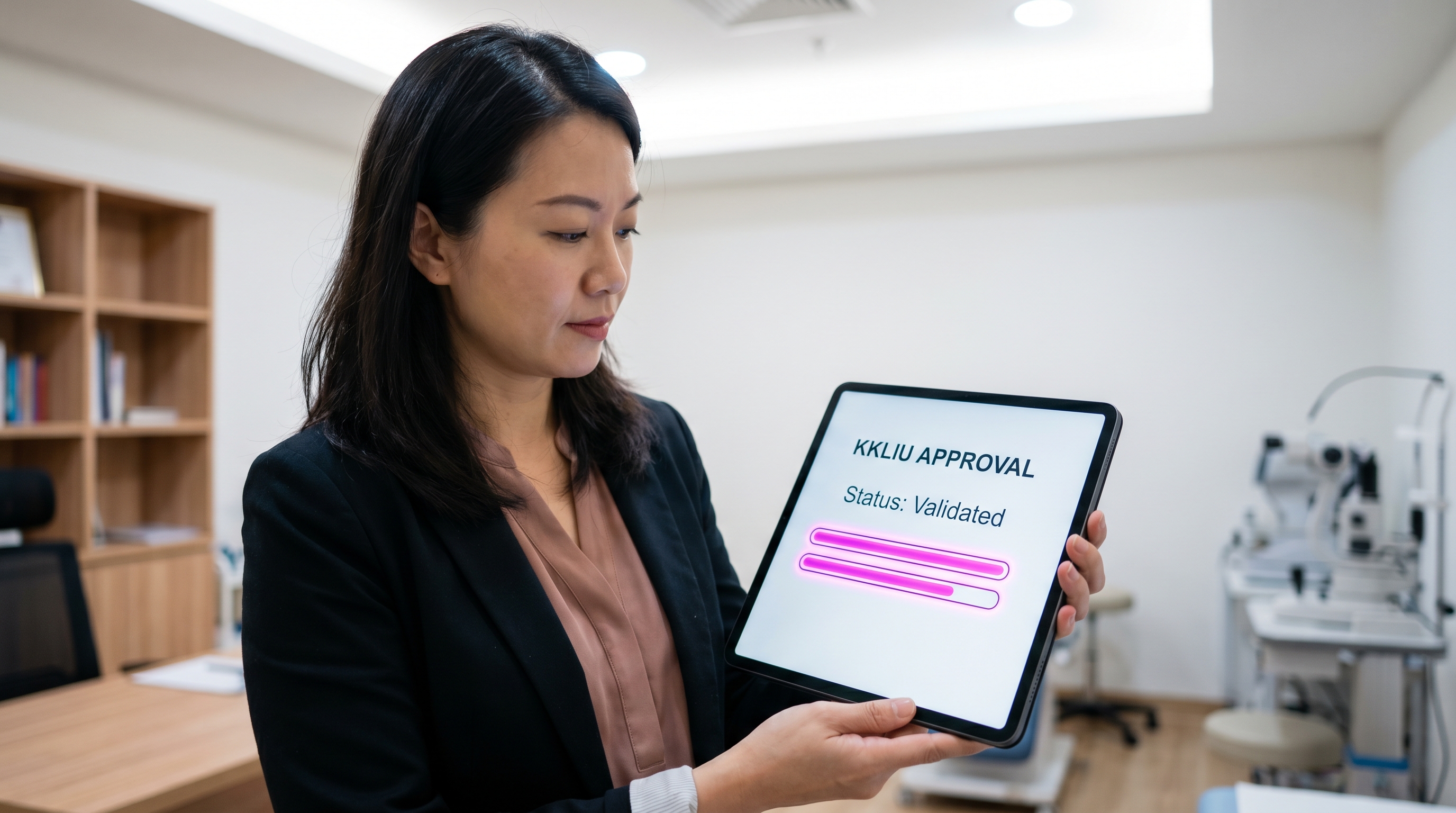
Streamlining your compliance workflow ensures your marketing stays effective and protected.
2. Relying on Inefficient Booking Scheduling
Scheduling bottlenecks directly reduce customer acquisition by forcing potential customers to abandon their booking. When businesses rely on manual phone calls instead of 24/7 digital systems, they create frustrating wait times that drive modern consumers elsewhere.
A complicated booking process is the fastest way to lose high-intent customers to competing businesses. Integrating a seamless booking system removes friction and captures leads at the exact moment they decide to seek a service.
| Feature | Manual Phone Booking | Automated Digital System |
|---|---|---|
| Availability | Business hours only | 24/7 accessibility |
| Staff Workload | High administrative burden | Automated efficiency |
| Data Security | Prone to human error | Strict PDPA compliance |
Why Customers Abandon the Booking Process
Modern consumers expect convenience. If they have to download a PDF intake form or call during a narrow lunch hour window, they will likely search for another provider. Simplifying the customer intake process is associated with higher conversion rates and improved operational efficiency.
Transitioning to Automated Digital Intake
Moving away from traditional methods requires careful planning to ensure strict PDPA compliance. Once implemented, secure digital booking platforms protect sensitive customer information while dramatically reducing administrative overhead for front-desk staff.
- Implement a 24/7 online booking portal
- Reduce mandatory intake form fields
- Send automated SMS reminders to reduce no-shows
3. Neglecting Lead Response Times
The ideal response time for customer inquiries is under five minutes. Auckland businesses that utilize automated response systems can instantly acknowledge messages, ensuring customers feel valued and preventing them from contacting competing service providers in the area.
When a customer reaches out via social media or messaging platforms, slow response times immediately signal poor future service. Implementing structured WhatsApp automation ensures that every inquiry receives an immediate, professional acknowledgment.
The Modern Expectation of Instant Communication
Customers with urgent needs do not want to wait 24 hours for a reply. Delayed replies drastically hurt your overall customer acquisition strategy, as the modern consumer expects immediate answers to basic logistical queries.
Leveraging AI for Effective Customer Engagement
Deploying an AI chatbot acts as a digital receptionist that never sleeps. These intelligent systems can handle routine questions about operating hours and service availability while seamlessly escalating complex issues to human staff.
- Set up WhatsApp Business auto-replies
- Use AI chatbots for common FAQs
- Route complex questions directly to staff

AI-driven engagement allows your staff to focus on complex service while ensuring customers get immediate responses.
4. Overlooking Local SEO for Search Visibility
Auckland local businesses need localized SEO because customers actively search Google for nearby service providers when they need help. Optimizing your website for local search intent captures high-quality traffic organically, drastically reducing your long-term reliance on expensive paid advertising.
Relying purely on expensive paid advertisements while ignoring organic search leaves a massive gap in your digital marketing framework. Strategic local SEO ensures your business appears exactly when a customer searches for specific services in your district.
The Financial Limits of Paid Social Media Ads
Ad costs on platforms like Facebook and Instagram continue to rise, eating into your business margins. Furthermore, users browsing social media generally possess lower immediate intent compared to those actively querying Google for a specific service.
Building Long-Term Organic Digital Authority
A digital strategy that prioritizes robust optimization establishes your business as a trusted local authority. By claiming and optimizing your Google Business Profile, you create a sustainable pipeline of new customers seeking everything from routine services to specialized consultations.
- Optimize your Google Business Profile
- Target highly specific service keywords
- Publish authoritative, locally relevant blog content
5. Treating Acquisition and Retention Separately
High customer retention significantly lowers overall acquisition costs by generating word-of-mouth referrals and positive online reviews. When Auckland businesses provide excellent post-service follow-ups, satisfied customers naturally become loyal advocates who drive new bookings without additional marketing spend.
Failing to retain acquired customers means your marketing budget is constantly working overtime just to fill a leaky bucket. Sustainable business growth requires viewing the customer journey as a continuous loop rather than a single transaction.
Maximizing the Lifetime Value of a Customer
Connect initial digital acquisition efforts to long-term customer lifetime value. Sending a simple, automated feedback survey after a visit shows customers you care about their experience, which supports higher retention rates over time.
“The most profitable customer acquisition strategy is keeping the customers you already have and turning them into vocal community advocates.” — Business Growth Consultant, Lamanify
Turning Satisfied Customers into Active Promoters
A loyal customer base is the ultimate defense against local market competition. Advocate for continuous, compliant customer engagement to build a recognizable, trusted brand in the community.
-
Send timely post-visit feedback surveys
-
Implement a digital customer recall system for regular check-ins
-
Ensure seamless digital billing and claims processing
-
Audit your business website to identify any friction points in the booking process.
-
Review all current advertising materials to ensure compliance with advertising guidelines.
-
Implement an AI chatbot to handle after-hours inquiries and reduce customer wait times.
-
Claim and continuously optimize your Google Business Profile for better local search visibility.
-
Set up automated SMS or WhatsApp reminders to significantly decrease no-show rates.
Conclusion
Avoiding these common customer acquisition mistakes that Auckland local businesses face is crucial for sustainable growth. By streamlining your digital intake, maintaining advertising compliance, and responding instantly to inquiries, you build immense trust from the very first touchpoint.
Navigating the complexities of digital marketing requires more than just launching generic campaigns. Take proactive steps today to transform your business’s customer journey, ensuring every digital interaction adheres to best practices while effectively capturing high-intent search traffic.
Ready to uncover hidden bottlenecks in your customer journey? Get your comprehensive business growth audit today.
Frequently Asked Questions
Why is customer acquisition getting harder for local businesses?
Customer acquisition is becoming harder due to rising digital marketing costs, increased competition, and the need for transparent, compliant advertising across all channels.
How does poor booking scheduling affect customer intake?
Inefficient scheduling leads to long wait times and frustration, causing potential customers to abandon the booking process and choose competing service providers.
What role does advertising compliance play in customer acquisition?
Advertising regulations ensure all marketing claims are accurate and substantiated, protecting customers from false marketing while forcing businesses to maintain high professional standards.
Should local businesses in Auckland prioritize SEO or social media?
Both are vital. SEO captures high-intent searches when customers need immediate services, while social media builds brand awareness and community engagement.
How can businesses improve customer retention alongside acquisition?
Businesses can improve retention by offering seamless digital booking experiences, immediate follow-up communications, and personalized post-service care through automated systems.

Content Experts
Lamanify Team
The Lamanify Team consists of healthcare marketing experts dedicated to helping clinics grow through data-driven strategies, web design, and SEO.